
Reducing Karma in an Instant: Why the Unfortunate Are Your Benefactors
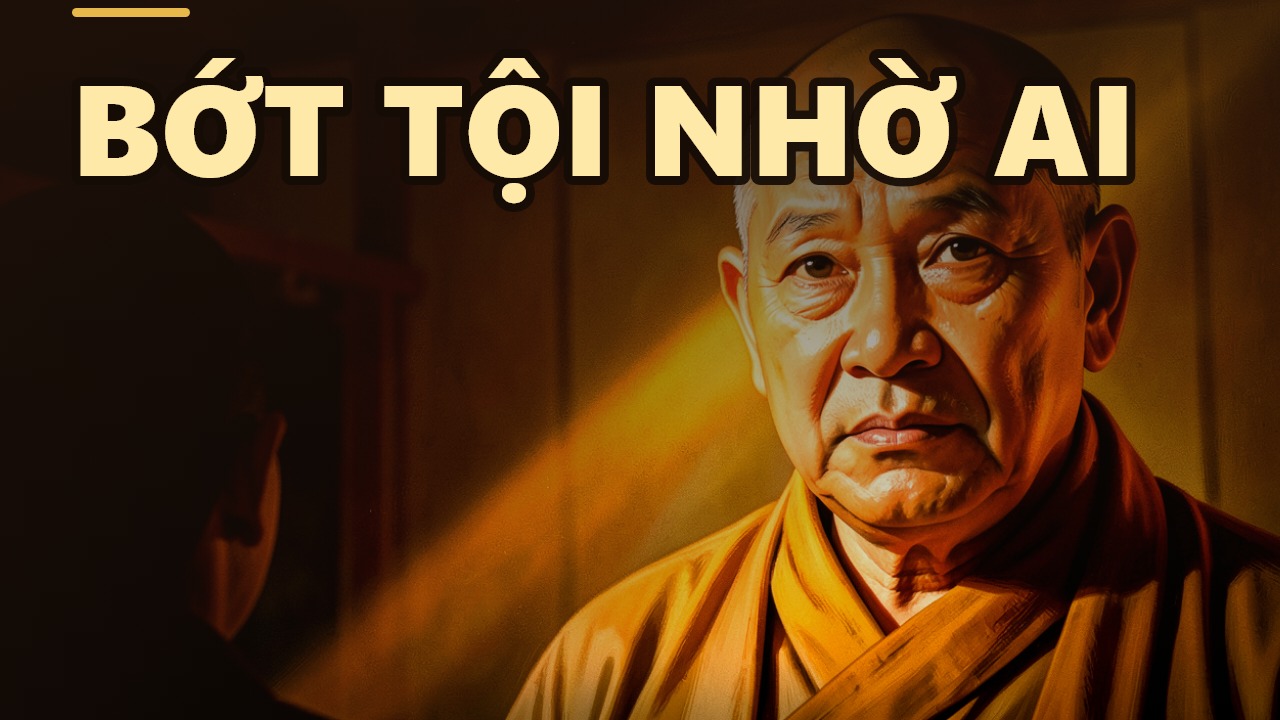
When you see a person with disabilities, an orphaned child, or an elderly person living alone, what thoughts arise? More importantly, what do you feel? It might be compassion, fear, or indifference. Few realize that this very moment determines a profound truth in your life: are you reducing karma, or adding to your debt?
The Imperfect World and Forgotten Lives
We live in an imperfect world. Venerable Thich Chan Quang begins his dharma talk by stating, "This world is truly incomplete." Yet, it is the less fortunate lives that demand our reflection—children born without limbs, abandoned at charity centers; the elderly without care, quietly awaiting death on the roadside.
Venerable Thich Chan Quang looks into their eyes and speaks of cause and effect (karmic law). He says, "This is a heavy karmic result, a bitter consequence left from past lives." At the same time, he reminds us that we are still happier than many, urging us to cherish our blessings and take responsibility for society.
The Law of Interdependence: No One Lives Alone
Society operates on a simple rule: the more we rely on one another and divide labor, the more prosperous and happy we become. The teacher emphasizes, "The law of society is that mutual dependence and division of work bring warmth and happiness." If you isolate a person from the community, no matter how strong they are, they will face hunger and lack.
Therefore, when society contains those who cannot care for themselves and are unloved, it is not just their misfortune but a moral challenge for all of us. If we witness such suffering without feeling responsible, the teacher states plainly, "We are called people who lack wisdom and morality."
Adding Blessings or Reducing Karma? Two Paths of the Mind
Many people enjoy going to temples to make offerings, pray for peace, or seek blessings. This is good, but the teacher reveals a deeper secret: "If you know the word 'blessing,' you must also know the word 'sin' or 'karma.'" He explains, "Offering to a holy being adds merit, but helping the unfortunate reduces the karma from your past lives."
Consider this example: Suppose next week you are destined for an accident due to past karma, costing ten million in hospital bills. But beforehand, you visit a charity center, see children with cerebral palsy, and donate five million. Next week, at that intersection, a robber tries to snatch your bag. Because you helped others, the robbery fails, and the thief flees. You escape disaster. You may not realize that your act of kindness reduced a great calamity.
This is why we should go to places where the unfortunate reside to help them—not for fame, but because naturally, we reduce our own karma.
A Test That Allows No Hesitation
The teacher highlights a crucial point: When we see someone suffering, we have no time to think. In that instant, the mind arises with one of three states: compassion, fear, or coldness. Immediately, we are "graded." The teacher says, "When you see a disabled person suffering and compassion arises, you are classified as one who goes toward heavenly realms. But if you see someone struggling and feel fear or distance yourself, you score zero on this test."
Thus, we must practice repeatedly so that whenever we encounter misfortune, compassion rises automatically. The advice is clear: "Every time you see suffering in this world, without a second thought, open your heart in love. Even if you cannot help materially yet, let your heart feel compassion first."
Better to Mistake Than to Miss Out
Forty years ago in Hue, two brothers were abused by their stepmother. They fled together at midnight, slipped down a cliff, and cried for help. A man driving by heard their cries but feared robbers. He hesitated and drove away. Two days later, their bodies were found. He lived in regret, unable to sleep peacefully ever again.
The teacher teaches, "It is better to make a mistake than to miss an opportunity." If you are unsure whether someone’s need is real or fake, help them anyway. If you know it is fake, criticize gently so they can correct themselves. Do not let hesitation kill a chance to do good.
However, the teacher warns that long-time charity workers can become desensitized, like doctors accustomed to patients, losing their initial compassion. Keep your heart soft. Remember that the unfortunate are your benefactors and the conscience of society.
Finally, the teacher urges, "Keep a small corner of your soul dedicated to thinking about the unfortunate in this world." You do not need to spend all your money immediately. Just open your heart, and gradually, you will do more. Start today. You will feel lighter, finding peace. The imperfection of the world becomes the opportunity for you to perfect yourself.
AI-assisted translation from the Vietnamese original.
Read in Vietnamese →