
Bodhisattvas Are Not Just About Doctrine: The Secret to Making Sentient Beings Listen
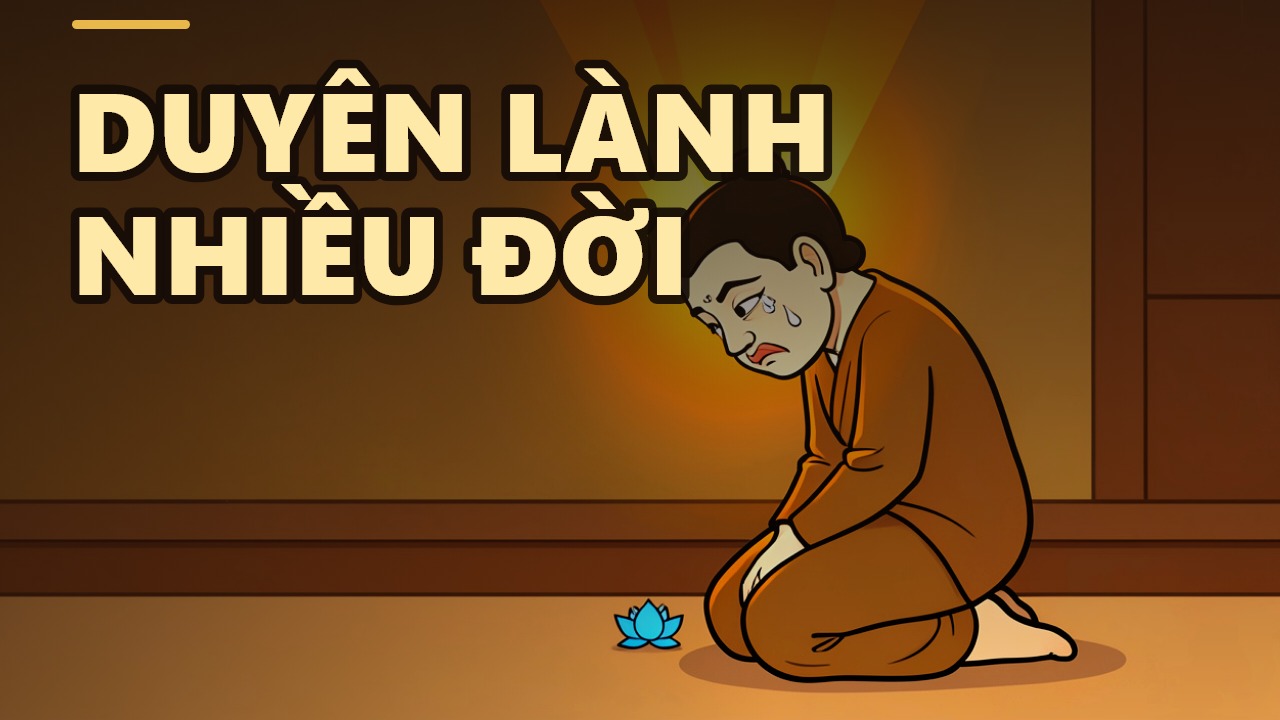
To guide sentient beings, a bodhisattva must cultivate good connections across many lifetimes through humility, service, and love. This is the most important art and merit one can possess. Have you ever spoken the truth or shared wisdom, yet found your listeners cold and indifferent? You poured your heart into presenting what is right, but they merely nodded in passing without changing their ways. Conversely, some people need only say a few words for others to listen deeply, respect them, and even follow their advice. Where does this difference lie? Perhaps it is due to karmic affinity. Indeed, such affinity does not arise naturally; it is the result of a long process of "sowing good conditions" over many lives—an art that every bodhisattva must master.
## What Is the Mind of a Bodhisattva?
A bodhisattva is not only a being of great wisdom and compassion. Even those who have just begun their practice, having learned the path and started thinking of all sentient beings rather than just themselves, are already planting the seeds of a bodhisattva. Venerable Thich Chan Quang clarifies this point:
"As soon as we study the Dharma, understand something beneficial, or achieve something good, if we immediately think of how it can benefit others, then we are acting as a bodhisattva."
Let us look within ourselves. When we suffer, we go to the temple, kneel before the Buddha, and pray for our own pain to cease. This is still a mind focused on personal desire. However, when we hear a teaching, understand the law of cause and effect (karmic law), and suddenly think, "I wish everyone could understand this," that is the beginning of the bodhisattva mind. A person who hears the Dharma and wishes for all others to understand has planted the seed of enlightenment in their heart.
## Why Do Some People Speak Without Being Heard?
Not everyone who possesses profound doctrine can successfully guide sentient beings. There are hermits who have practiced for years, carrying vast wisdom, yet when they step into the world, no one listens. In contrast, others may speak only a few sentences, and the entire assembly holds them in deep affection and respect. Venerable Chan Quang explains:
"Do not let sentient beings hate you. This applies to every lifetime."
The root cause lies in karmic conditions from past lives. If in a previous life we caused enmity or harmed others, then in this life, whatever we say will fail to penetrate their hearts. War serves as an example: while we may defend our country, each person we strike down becomes someone we cannot later guide toward liberation. Therefore, a bodhisattva is extremely careful in their conduct, ensuring that a moment of tension does not create lasting enemies.
## Three Types of Sentient Beings Who Accept Teachings
According to Venerable Chan Quang, there are three types of people who will listen to and accept the true Dharma. The first type consists of those who do not dislike us. They may not be close to us, but they hold no ill will, so when they hear reasonable teachings, they are open to accepting them. The second type comprises individuals who possess their own wisdom. They value the truth more than the teacher; after listening, they recognize the correctness of the teaching but remain indifferent to the speaker. As Venerable Chan Quang notes:
"For those who have a karmic connection with me, they love my person more than they love the doctrine itself."
The third type includes those with deep connections from the past. They have received kindness from us or held reverence for us in previous lives; upon meeting again, they trust us immediately and begin practicing right away. Among us today, some come because of wisdom, while others come because of good karmic conditions. But to transform many people like a bodhisattva, one must cultivate deep bonds of gratitude and kindness.
## How to Sow Good Conditions: Humility, Service, and Love
There are no advertising tricks or displays of formality involved. The only secret is living with humility, offering service, and extending love across many lifetimes. Venerable Chan Quang emphasizes:
"Humility and service rooted in love—this is the cause and effect (karmic law) that creates good connections with sentient beings."
It is precisely this mindset that leads to excellence in learning. When studying classical texts, Venerable Chan Quang immediately thought about creating curricula to help others learn easily. Studying with others in mind plants the seed for academic success. Similarly, consider a couple who saved money for their retirement but saw neighbors struggling to reach distant hospitals for medical care. They purchased an ambulance for the community. They understood the law of cause and effect and sowed blessings from merit. The virtues of humility and service are the secrets that make others love, accept, and listen to us.
## Practice Today
So, where should we begin? First, observe yourself carefully. Each time you learn something wholesome, do you think about sharing it with others? Each time you work, do you consider the benefit to the community? Do not underestimate good karmic conditions; they are invisible assets accumulated through every word and small action. Live with humility, offer service, and extend love. Sow these lovable causes every day. When sentient beings meet you and feel warmth, they will listen to your words, and you will become their companion on the path toward the light.
AI-assisted translation from the Vietnamese original.
Read in Vietnamese →