
Are You a Stepchild, a Birth Child, or the Beloved Child of the Buddha?
Join Venerable Thích Chân Quang in exploring the path to becoming a disciple of the Buddha: from taking refuge and practicing, to recognizing our own faults so we may become the "beloved child" of the Tathagata.
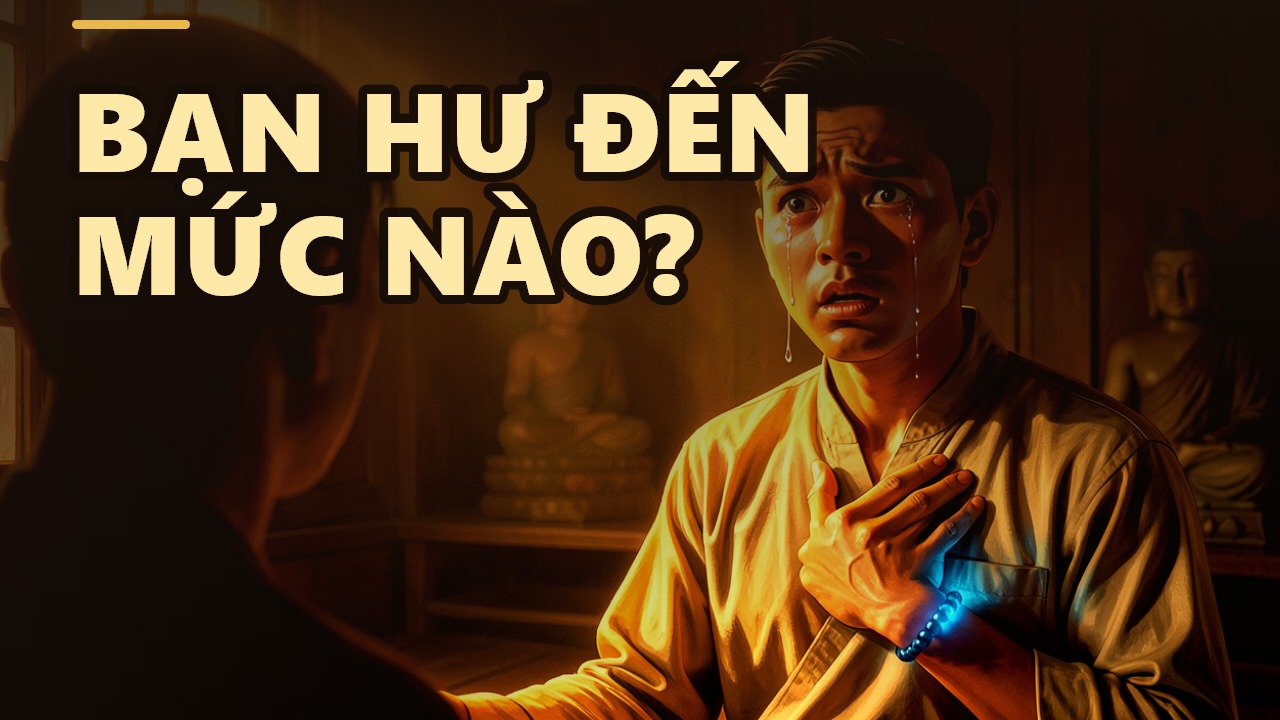
In a warm dharma talk, Venerable Thích Chân Quang told the story of a gentle young man, a model citizen in his neighborhood — "so many families wanted their daughters to marry him" — yet when he began to practice, he not only saw himself as at fault, but "at fault in so many ways." That story awakens us: Why does everyone need to practice? And what does practice actually involve?
From not knowing the Way to knowing the Way — a great turning point
Before knowing the Buddha's teachings (Dharma), we live in greed, hatred and delusion, in competition and selfishness. We do not know what is sinful or meritorious, and we do not know cause and effect (karmic law). But when we encounter the Buddha's teachings (Dharma), a new horizon suddenly opens before us. The Venerable emphasized:
"The moment of passing from not knowing the Way to knowing the Way is a great transformation in one's life."
Yet knowing the Way is only the first step. The second step is taking refuge in the Three Jewels — formally becoming a disciple of the Buddha. The Venerable put it this way: "We are under the Buddha's protection." This means that even with many faults, we will not fall into the hell realms or become animals, but will return to the human realm to repay our karmic debts and continue practicing.
Three kinds of children of the Buddha: stepchildren, birth children, and the eldest
After taking refuge, if we do not stay connected to a practice center, we remain a "stepchild" — drifting wherever, without practicing. If we enter a practice center and train regularly and diligently, we become a "birth child." Those who ordain and become monastics are the "eldest children" — "the eldest sons of the Tathagata." However, there is a special kind of child that the Venerable calls "the beloved child of the Buddha."
"Believing that we are still very flawed… in this very moment we instantly become the beloved child of the Buddha."
What is remarkable is that the beloved child is not a perfect person, but one who humbly recognizes their many shortcomings. They may not yet see their specific faults, but they firmly believe they have them. It is precisely this faith that opens the path of practice.
Practice means correcting — because everyone is "broken goods"
The Venerable explained: "The word 'tu' (practice) in Chinese means to correct." And correction applies only to what is broken. So if anyone claims they are not broken, that person does not need to practice. But in this world, "there is no one who is not broken. If not broken in small ways, then broken in big ways; if not broken in big ways, then broken in small ways."
"What is the first virtue? It is knowing that we are broken. This is the first virtue, and knowing we are broken is not easy."
Only when we admit we are "broken goods" do we gain the motivation to correct ourselves and transform our lives. The Venerable used the image of a phone: to upgrade to a newer, better model, we need money — that is, we need blessings from merit. Until we have enough blessings from merit, we must do our best to fix our old, shabby one.
The faith that we still have faults — a mark of wisdom
The Venerable told of Mr. Nguyên, a director of a road construction company, who treated his employees well, cared for his family, supported the temple, and never broke the law. When asked what faults he had, he could not find any. Yet he still believed he had faults, and so he came to the temple to practice. The Venerable remarked: "This person is very wise."
One who does not see their faults but believes they have them is the beloved child of the Buddha. In contrast, one who insists "I am not broken" will never want to change. When we begin to practice — listening to the teachings, chanting sutras, sitting in meditative concentration — we suddenly realize we truly are broken. The more we practice, the more faults we see — and that is a sign of progress.
The Buddha's protection — a special grace for those who take refuge
Taking refuge in the Three Jewels brings unexpected benefits: the Buddha shields us from harsh karmic retribution. As the Venerable said:
"The Buddha protects us from our faults so that we do not have to repay our karmic debts in the animal realms or in hell."
But this does not mean our debts are erased. We still must repay them, yet in the human realm, where we still have the opportunity to practice and understand the teachings. At the same time, thanks to the Buddha's blessings, we have many chances to do good deeds and accumulate merit, so that in future lives we may be "more prosperous," or even attain realization or be reborn in heavenly realms.
Begin with a single thought
So why must we practice? Because we know we are broken, and practice is precisely correction. "Eating rice comes with soup; practicing comes with companions" — do not practice alone; rely on a practice center. Take refuge, practice diligently, and above all, keep in your heart the faith that you still have many faults. With that single thought alone, you instantly become the beloved child of the Buddha.
AI-assisted translation from the Vietnamese original.
Read in Vietnamese →