
Who Is the One Who Must Practice? It Turns Out That All of Us Must Practice
Practice is not reserved for monastics. The Way is life itself; each of us can practice right where we stand, with wisdom, compassion and a pure mind/heart.
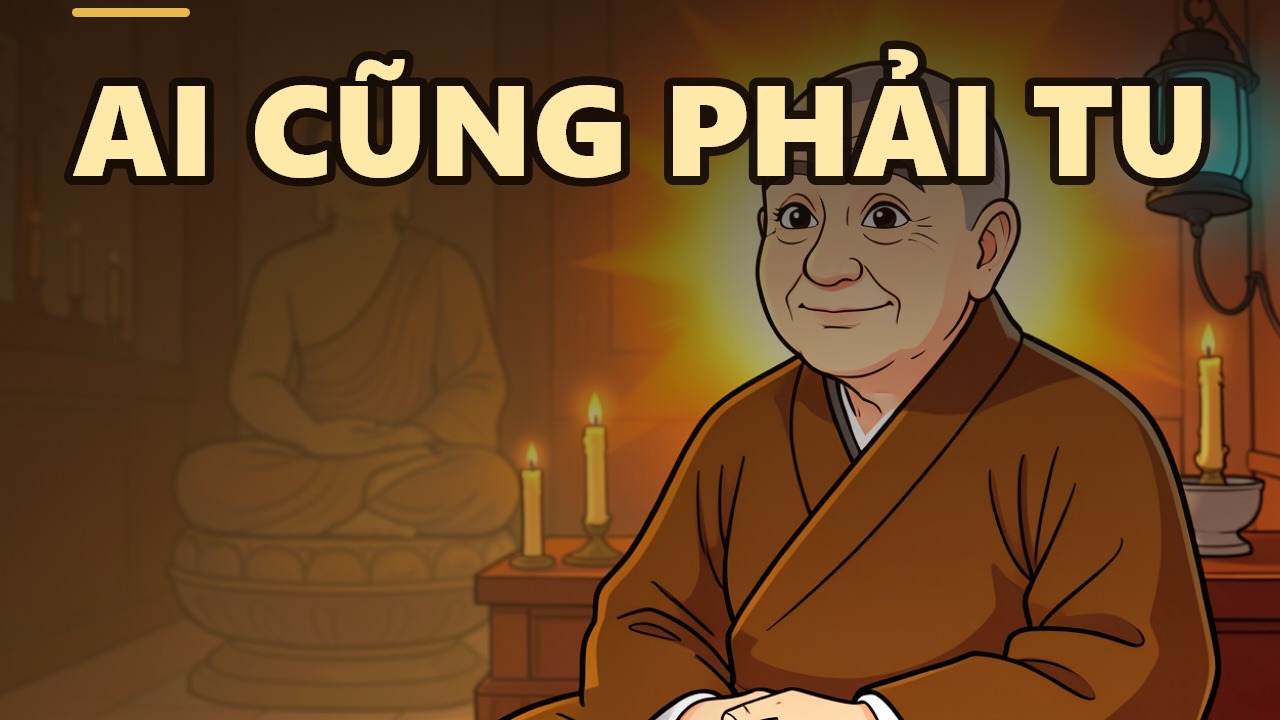
Have you ever wondered: "Who is the one who must practice?" If you think that only those who shave their heads and wear brown robes need to practice, then the following teaching will completely change your mind.
Practice Is the Duty of Everyone
Thay Thich Chan Quang begins with something very close to home: "Practice is the duty of all people. And what is the Way? The Way is life itself." The Way is not something up in the blue clouds, lofty and mysterious. The Way is our everyday life. When we live in this world in our own position, finding peace and happiness, and bringing joy to others through a noble way of living, that is practice.
"It is not that we must leave this place for another place for it to be called practice. Right in our own position, living a beautiful life — that is practice."
So the merchant, the civil servant, the student, the homemaker — everyone can practice right where they stand. There is no need to journey far in search of some distant place; the truth begins with the very feet standing on the ground.
The Practitioner Is One of Clear Wisdom, Not a Fool
A common misunderstanding is that practicing means becoming meek and passive, easily bullied by others. Thay Chan Quang emphasizes that morality does not lie in ignorance, but in clear wisdom. A practitioner is not a foolish person, but a very wise one. They know everything, they see through every deception, yet they keep themselves unmoved by evil and adversity, and they never harm others. They also actively bring joy to those around them.
"A person who is called moral is not a foolish person but a very wise one. They know everything, yet they keep themselves from being swayed by evil, by the adversities of life."
In daily life, there are people who constantly criticize and blame others; naturally they become alienated from everyone, and the fruit of their karma is loneliness. On the contrary, one who always sees the good points in others with eyes of goodwill, respect and affection will always have friends, and everyone will love them. That is understanding cause and effect (karmic law) in everyday life.
Forgetting Yourself to See Others
One of the hardest things for a practitioner is to overcome the selfish ego. All of us tend to care for ourselves and pay little attention to the needs of those around us. Thay tells us: "We usually notice that our clothes are old and worn, that today we are busy with this task and that task... but we do not notice the people around us — whether they lack anything, whether they are tired or well."
One who knows how to practice is one who forgets themselves, opens their heart, and places themselves in the position of others in order to help. When we see someone in worn clothes and old sandals, or see a neighbor struggling, even without a word, we can sense it and offer a word of comfort or a small gift to give them strength to continue through this unpredictable life.
"Before, I lived among people as if deaf and blind. I did not know how they were. But one who practices and forgets themselves — suddenly the heart opens wide, the eyes grow bright, and the images of others appear clearly before one's eyes."
Keeping the Mind/Heart Pure — The Foundation of Morality
Finally, a pure mind/heart is the duty of everyone, not only of monastics. Living in this world, it is easy to create karma; karma always arises from the ego. When we care only for ourselves, we become greedy, prideful, angry and resentful. On the contrary, a pure heart, with few disturbances, draws close to morality, helping us with letting go, with forgiveness, and with caring for others.
"Whether the mind/heart is stirred or unstirred is a very important factor in a person's morality. Therefore, whether one is a monastic or a layperson, all have the duty to keep their heart pure, every hour and every minute."
To gather the mind, we can recite the Buddha's name, contemplate the breath, or learn methods of meditative concentration from experienced teachers. At the same time, we need a harmonious outlook, never attacking other methods, so that the Buddha's teachings (Dharma) may remain united.
Conclusion
Thus, practice is not something far away. The Way begins right where we stand, in real life with the people around us. Let us begin by living wisely, understanding cause and effect (karmic law), forgetting ourselves to see others, and keeping the mind/heart pure. That is the path of happiness for now and for many lifetimes to come. Therefore, everyone needs to practice — and you yourself are the one who must practice.
AI-assisted translation from the Vietnamese original.
Read in Vietnamese →